SKU: OT850-C36 Artikelnummer: AA013 EAN: 8720589817180

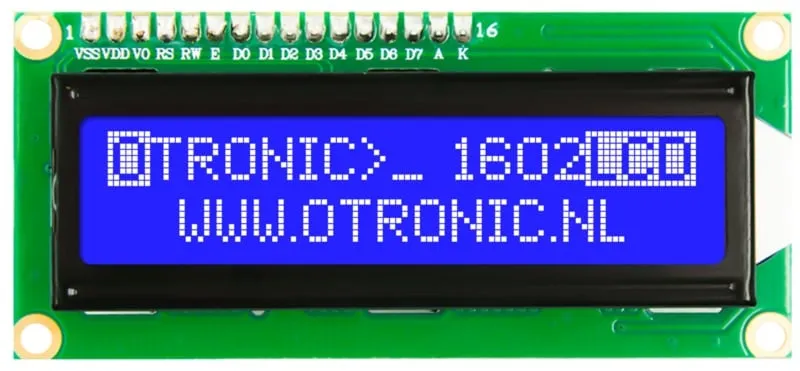
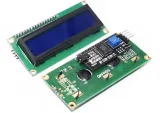
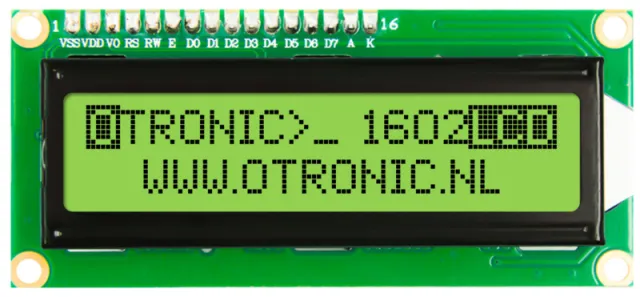
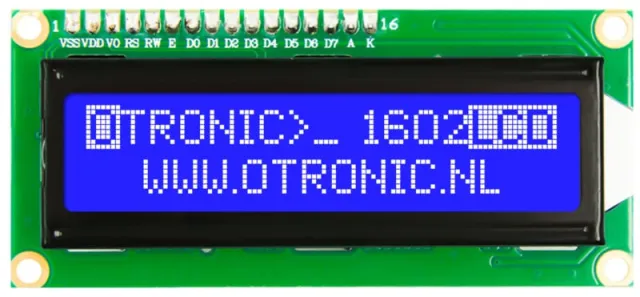
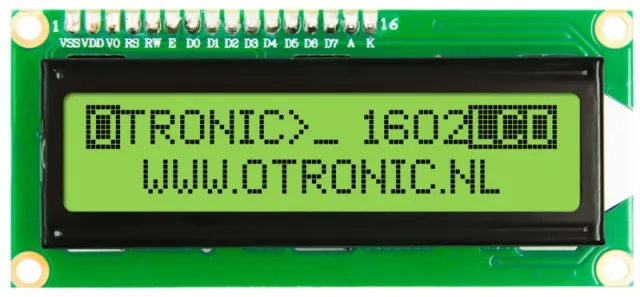
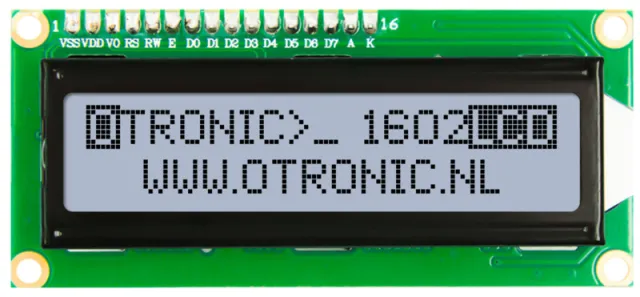
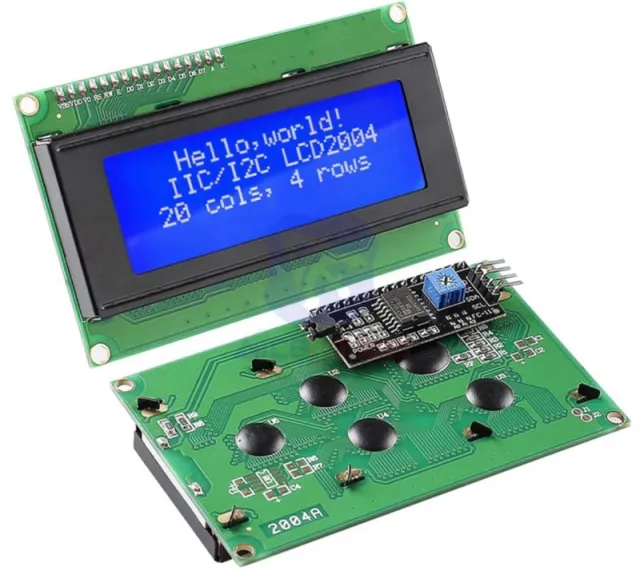
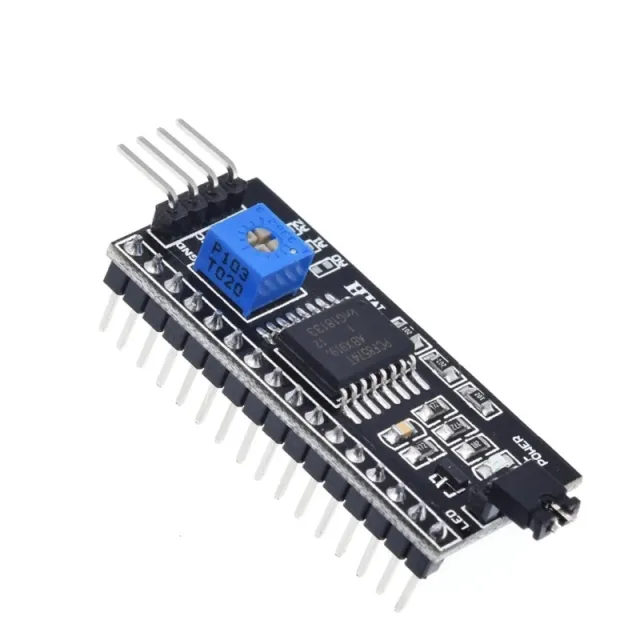
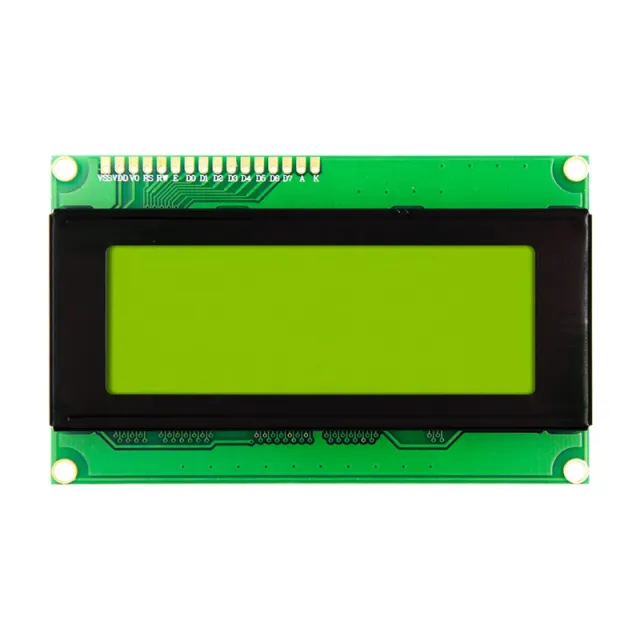
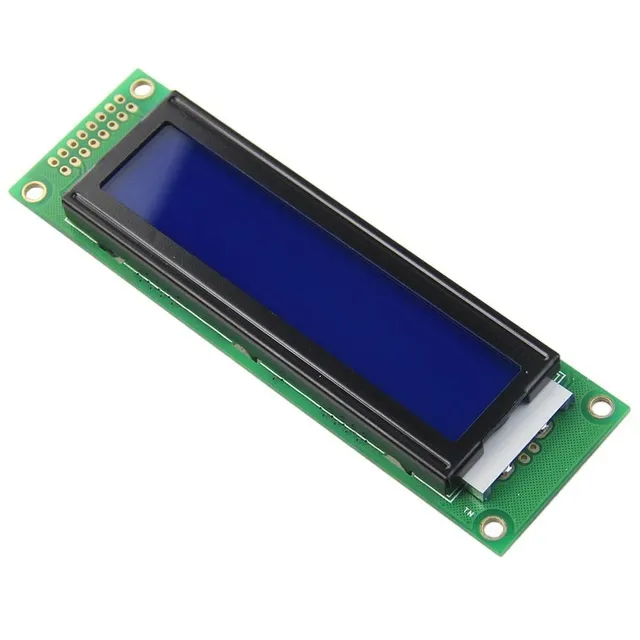
1602 LCD mit I2C-Modul vorverlötet. Direkt verwendbar in Ihrem Arduino-, ESP32-, ESP8266- oder Raspberry-Pi-Projekt. Viel einfacher als ohne dieses Modul. Jetzt werden nur noch 4 Drähte benötigt, um dieses LCD-Display anzusteuern.
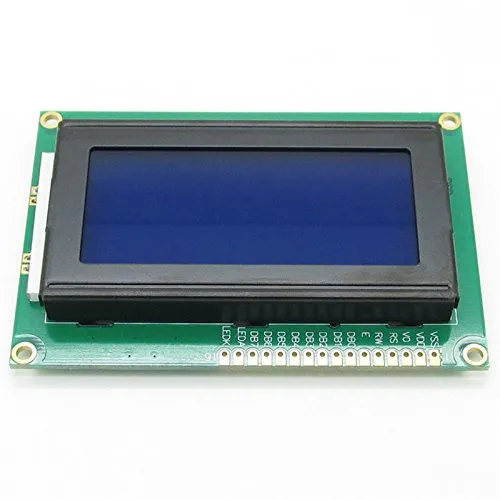
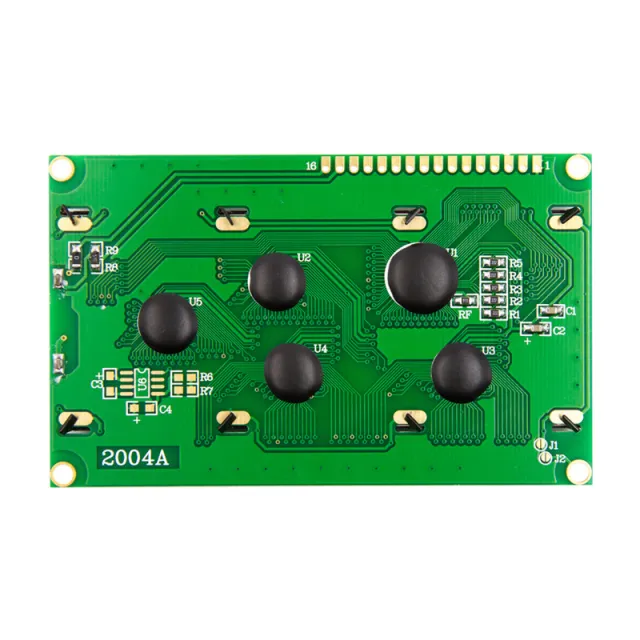
LCD mit blauem Backlight und weißen Zeichen. 2 Zeilen, 20 Zeichen pro Zeile. Kontrast ist (softwaremäßig) einstellbar.
– Funktioniert mit: 5V
– Abmessungen: 98mm x 60mm x 15mm.
Inklusive I2C-Modul!
Schnell loslegen mit diesem OTRONIC 1602 LCD-Display mit I2C-Modul Laden Sie die OTRONIC 1602 LCD SCHNELLSTARTANLEITUNG für einen Anschlussplan und Beispielcode für die Arduino IDE Software herunter.
Abmessungen
Länge: 8cm
Breite: 2,6cm
Höhe: 1,1cm
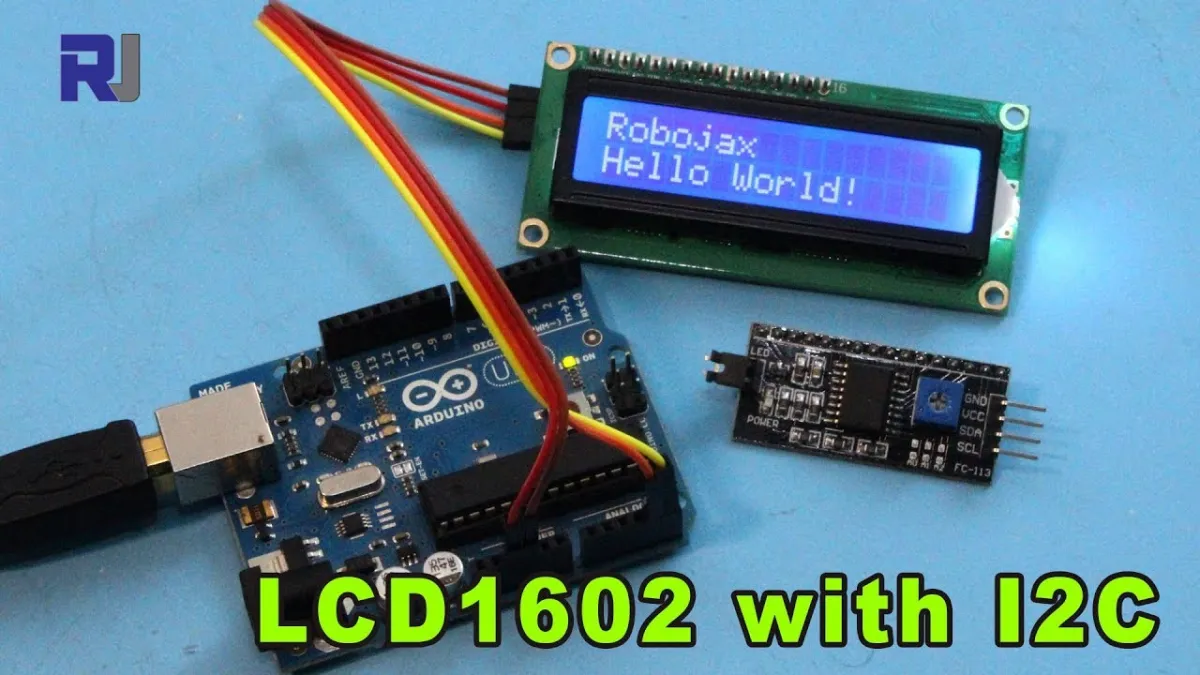
Beim Abspielen wird das Video von YouTube geladen.
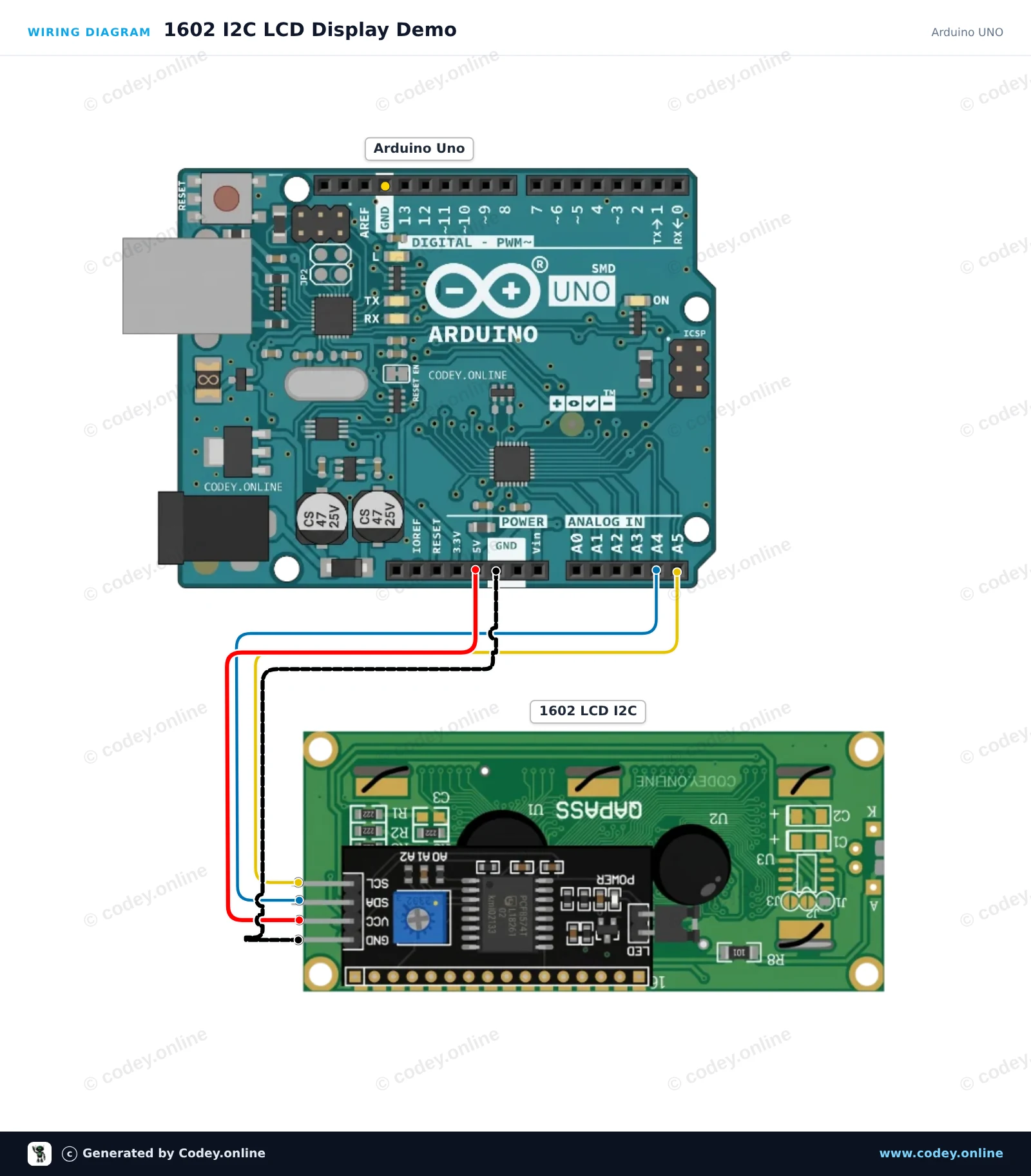
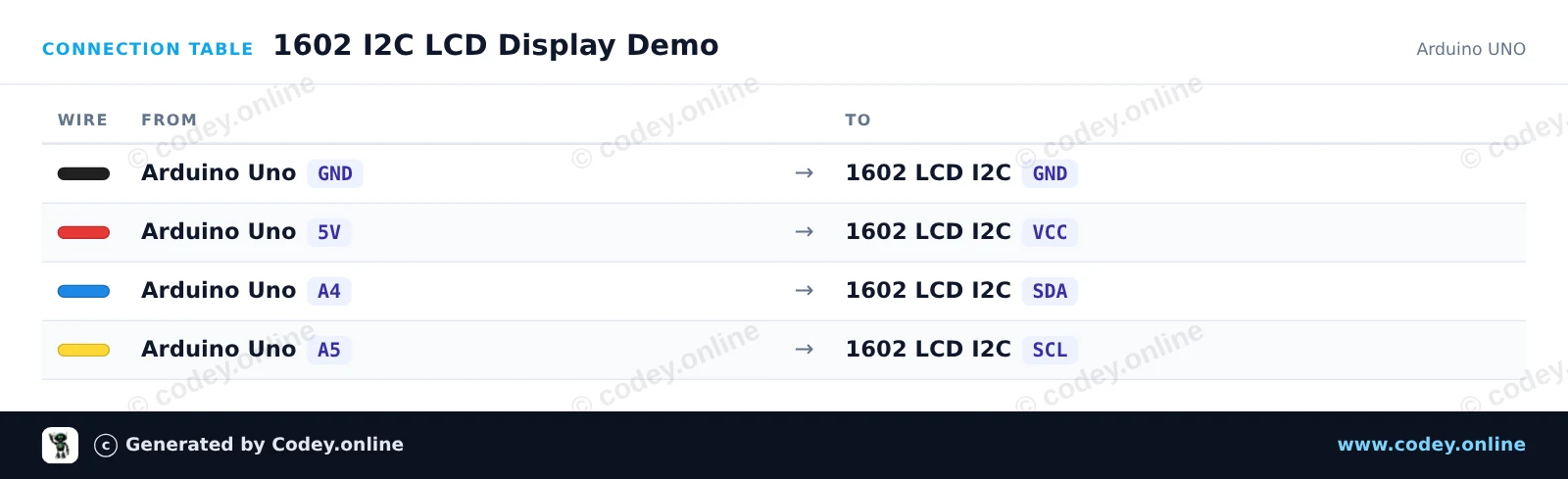
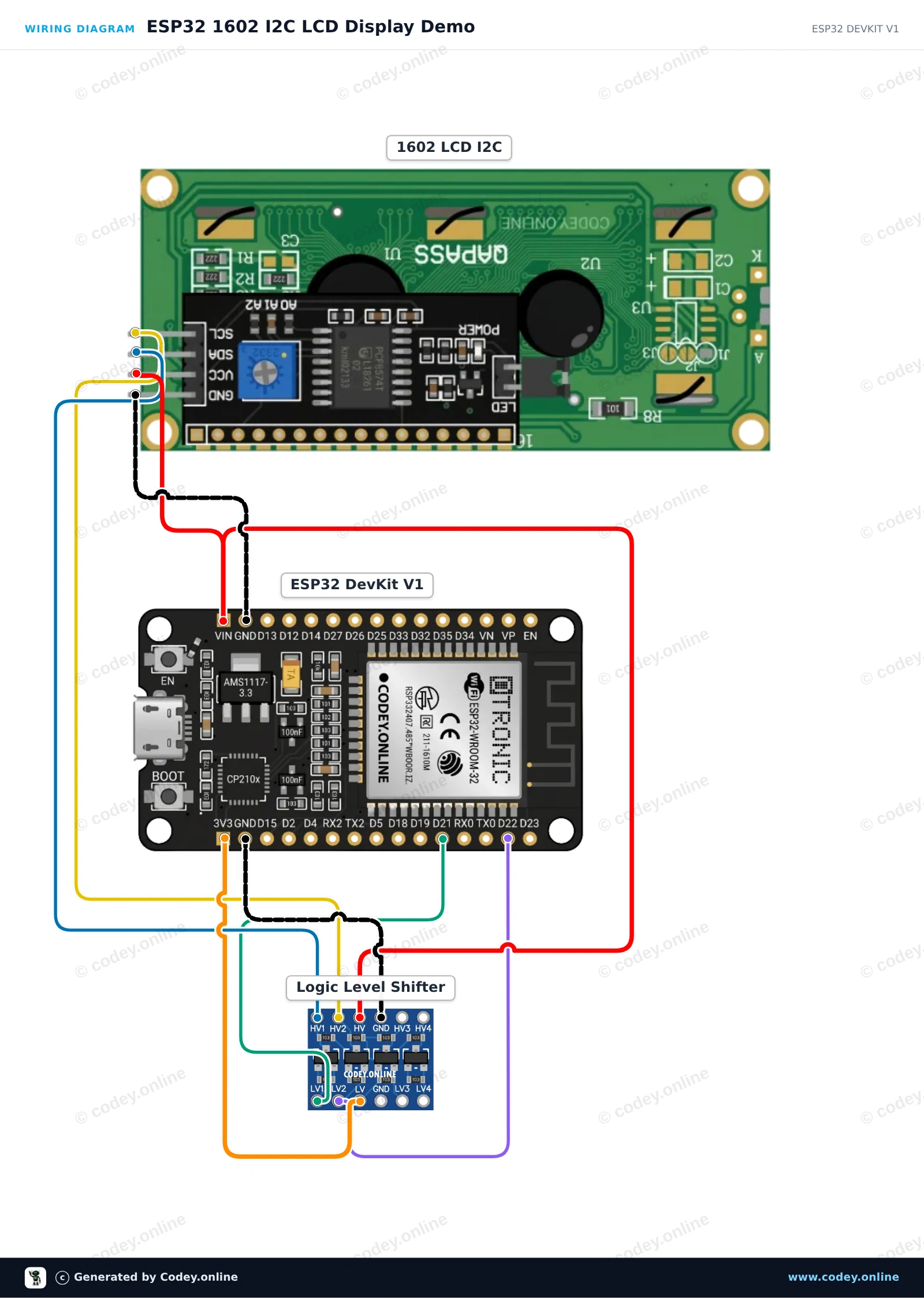
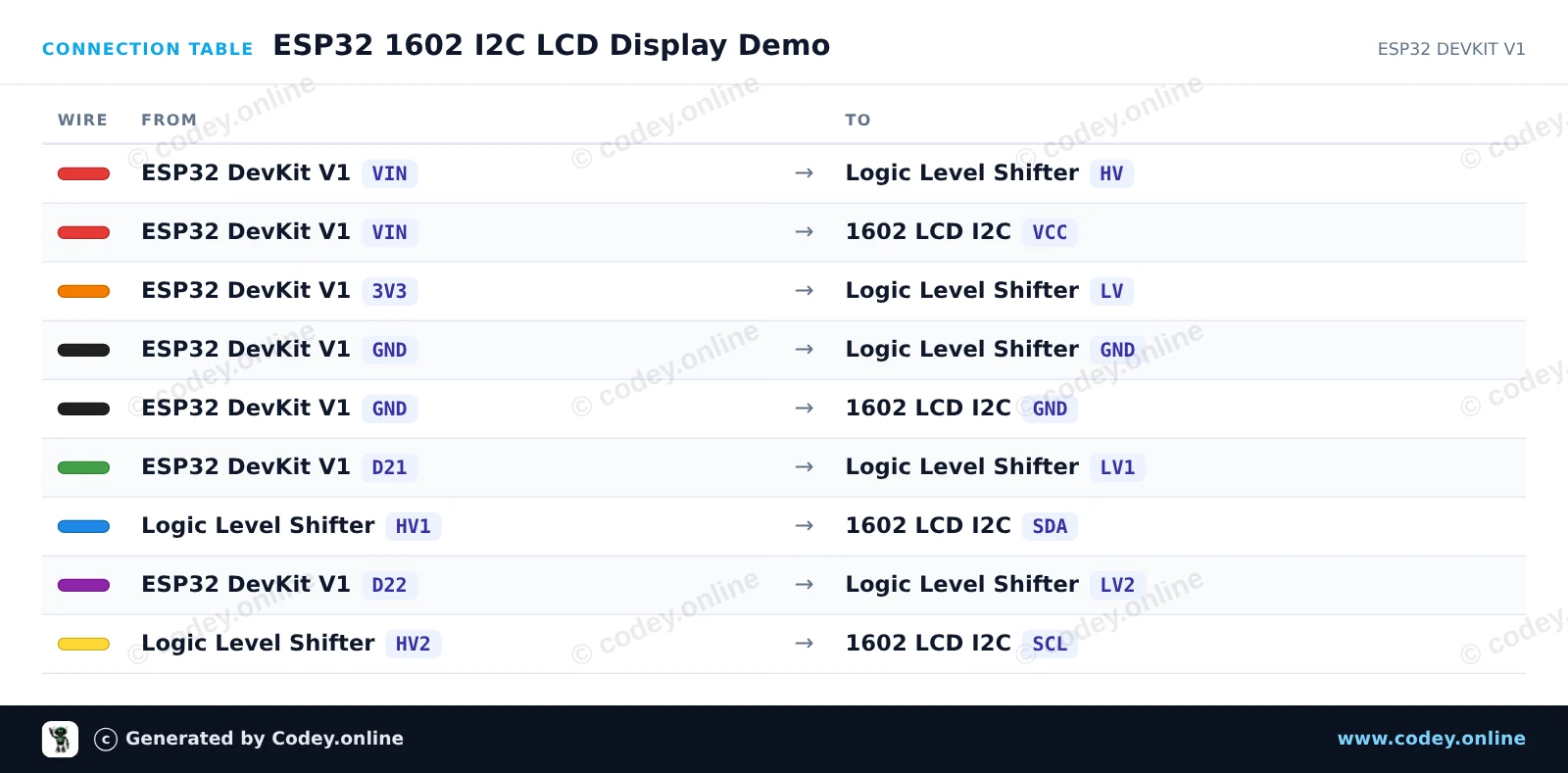
So schließt du den 1602 LCD blaues Backlight mit I2C vorverlötet an einen Arduino UNO oder ESP32 an, mit einem Beispiel-Sketch, den du direkt hochladen kannst.
Verbinde das 1602 I2C LCD-Display mit nur vier Kabeln mit dem Arduino Uno. Der Sketch initialisiert das Display, aktiviert die Hintergrundbeleuchtung und zeigt eine Begrüßung sowie einen Live-Uptime-Zähler an, der jede Sekunde aktualisiert wird. Stelle das kleine Potentiometer auf der Rückseite des Moduls ein, wenn der Text zu blass oder zu dunkel erscheint.
/*
 * ==================================================================
 *  Generated by Codey.online  —  https://www.codey.online
 * ==================================================================
 *  Project   : 1602 I2C LCD Display Demo
 *  Board     : Arduino UNO (arduino:avr:uno)
 *  Parts     : 1602 LCD I2C DISPLAY
 *  Libraries : LiquidCrystal I2C 1.1.2
 *
 *  Codey Online is an AI-powered browser IDE for Arduino and ESP32.
 *  Describe your project and Codey writes the code, draws the wiring
 *  diagram and uploads it to your board, straight from the browser.
 *  This code is free to use, modify and share, without warranty.
 * ==================================================================
 */

#include <Wire.h>
#include <LiquidCrystal_I2C.h>

// Set the LCD address to 0x27 for a 16 chars and 2 line display
// (If your display stays blank, try address 0x3F)
LiquidCrystal_I2C lcd(0x27, 16, 2);

void setup() {
  Serial.begin(115200);
  Serial.println(F("Starting 1602 I2C LCD demo..."));

  lcd.init();
  lcd.backlight();

  lcd.setCursor(0, 0);
  lcd.print(F("Hello, World!"));
}

void loop() {
  // Display the running uptime in seconds on the second line
  unsigned long seconds = millis() / 1000;

  lcd.setCursor(0, 1);
  lcd.print(F("Uptime: "));
  lcd.print(seconds);
  lcd.print(F("s   "));

  Serial.print(F("Uptime: "));
  Serial.print(seconds);
  Serial.println(F(" s"));

  delay(1000);
}Benötigte Bibliotheken: LiquidCrystal I2C 1.1.2
Wiring diagram and example code generated by Codey.online — https://www.codey.online
Dieses Projekt zeigt, wie man ein 5V 1602 I2C LCD-Display mit einem ESP32 über einen Logic Level Shifter für eine sichere bidirektionale Kommunikation verbindet. Das Display initialisiert sich, schaltet die Hintergrundbeleuchtung ein und zeigt eine Willkommensnachricht sowie einen laufend aktualisierten Uptime-Zähler an.
/*
 * ==================================================================
 *  Generated by Codey.online  —  https://www.codey.online
 * ==================================================================
 *  Project   : ESP32 1602 I2C LCD Display Demo
 *  Board     : ESP32 DEVKIT V1 (esp32:esp32:esp32doit-devkit-v1)
 *  Parts     : 1602 LCD I2C DISPLAY
 *  Libraries : LiquidCrystal I2C 1.1.2
 *
 *  Codey Online is an AI-powered browser IDE for Arduino and ESP32.
 *  Describe your project and Codey writes the code, draws the wiring
 *  diagram and uploads it to your board, straight from the browser.
 *  This code is free to use, modify and share, without warranty.
 * ==================================================================
 */

#include <Wire.h>
#include <LiquidCrystal_I2C.h>

// Set LCD I2C address (commonly 0x27 or 0x3F) and dimensions (16 columns, 2 rows)
LiquidCrystal_I2C lcd(0x27, 16, 2);

void setup() {
  // Initialize I2C with ESP32 default pins: SDA (GPIO 21), SCL (GPIO 22)
  Wire.begin(21, 22);

  lcd.init();
  lcd.backlight();

  lcd.setCursor(0, 0);
  lcd.print("ESP32 LCD Demo");
  lcd.setCursor(0, 1);
  lcd.print("Uptime: ");
}

void loop() {
  // Update uptime counter in seconds
  lcd.setCursor(8, 1);
  lcd.print(millis() / 1000);
  lcd.print("s  ");
  delay(500);
}Benötigte Bibliotheken: LiquidCrystal I2C 1.1.2
Wiring diagram and example code generated by Codey.online — https://www.codey.online







 English
  Nederlands
  Frans
Frans  Italiano
  Español
  Suomi
Suomi  Polski
  Dansk
Dansk  Ελληνικά
  Български
  Čeština
  Hrvatski
  Aileen